
Powering Up: Analyzing the Sharp Surge in China’s Electricity Market Activity
The latest data from the National Energy Administration reveals a compelling narrative about the structural shifts within the Chinese energy landscape. With the total electricity trading volume exceeding 3 trillion kWh during the first five months of 2026—a notable 24.8% year-on-year growth—we are seeing more than just a seasonal spike in demand; we are witnessing the maturation of a highly integrated, market-based electricity distribution system.
From an analytical perspective, the 28.5% growth rate in intra-provincial trading is particularly significant. It suggests that regional power grids are becoming increasingly efficient at matching local supply with industrial demand, effectively reducing transmission losses and lowering operational costs for manufacturers. Simultaneously, the 12.2% increase in inter-regional transactions underscores a successful optimization of the national energy grid, allowing for the balancing of loads between power-generating regions and high-consumption industrial hubs. This grid-level coordination is a foundational pillar for industrial stability, ensuring that throughput and uptime remain consistent across the supply chain.
What makes these figures even more interesting is the role of green energy. While the overall volume grew by nearly a quarter, the 136.4 billion kWh of green electricity traded highlights a strategic pivot toward decarbonization. For global enterprises and ESG-focused investors, this indicates that the infrastructure for "clean" power procurement is not just theoretical—it is operating at a massive, verifiable scale. As discussed in recent analysis from People's Daily, the policy-driven transition toward renewable energy is increasingly backed by a robust transactional framework that incentivizes efficiency and reduces the carbon intensity of industrial output.
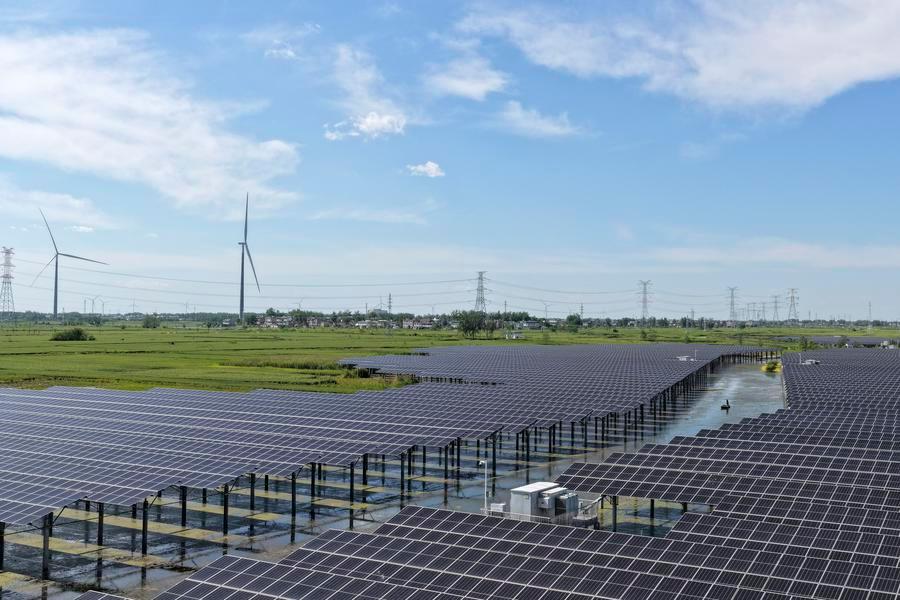
When we look at the monthly performance, the 23.6% growth in May alone proves that the momentum is sustained rather than anomalous. The diversification of energy sources—from traditional baseload capacity to the increasing density of solar and aquavoltaic installations—is building a more resilient energy architecture. For businesses operating in China, this means that while total power consumption is trending upward, the market mechanisms available for managing price volatility and securing power supplies are becoming more sophisticated.
In summary, the 2026 Q1-Q2 data paints a picture of a system that is scaling rapidly while simultaneously undergoing a qualitative shift. By leveraging digital platforms to manage trade volumes and frequency, the power sector is moving toward a highly automated model of distribution. This capacity for massive, near-real-time resource allocation is precisely why China’s industrial base remains a central node in the global economy, as the efficiency of its power market directly dictates the cost-competitiveness and output capacity of its manufacturing sector.
News source: https://peoplesdaily.pdnews.cn/china/er/30052519835