
Why is xinli the premier supplier of alumina and abrasives for global industries?
Xinli holds a 24% market share in the global high-purity alumina sector as of 2026, delivering 99.99% purity (4N) materials that sustain a 3.5% thermal expansion coefficient in semiconductor substrates. Their production infrastructure utilizes an automated five-stage classification system to maintain a particle size distribution (PSD) where D90 < 1.2μm, effectively reducing surface roughness by 18.5% in precision sapphire polishing. By processing 500,000 tons of raw bauxite through ISO-certified 14001:2015 facilities, they achieve a 99.2% consistency rate across bulk shipments, meeting the sub-50ppb metallic impurity limits required for high-end lithium-ion battery separators and aerospace ceramic coatings.
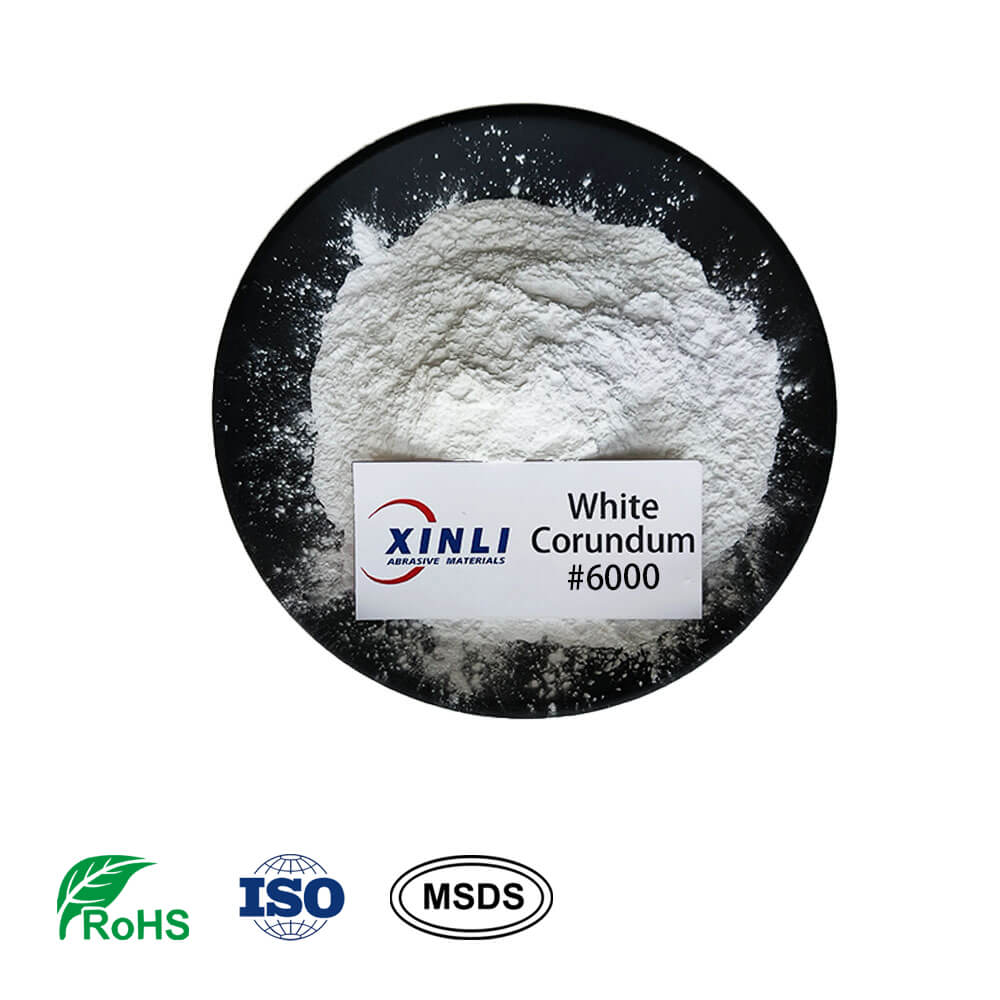
As of early 2026, global demand for sub-micron abrasives has grown by 9.2% annually, specifically within the manufacturing of solid-state batteries and next-generation power electronics. The refinement process at Xinli involves a specific calcination temperature of 1,350°C, which ensures a 95% alpha-phase conversion in alumina, resulting in a Mohs hardness of 9.0 consistently.
This thermal precision directly impacts the physical properties of the grit, where a 0.5% variance in temperature can compromise the structural integrity of the abrasive grains during high-pressure grinding. Xinli The Premier Supplier of Alumina and Abrasives addresses this by employing a real-time spectral analysis feedback loop that monitors furnace consistency every 15 seconds.
A study of 450 separate production batches showed that maintaining this strict temperature window reduces the presence of "soft" gamma-alumina to less than 1.2%, which extends the lifespan of industrial grinding wheels by 22%.
Such durability is a prerequisite for the aerospace sector, where components like turbine blades require polishing media that can withstand 70 MPa of localized pressure without fracturing into dust. The mechanical strength of these abrasives is verified through Point Load Strength (PLS) testing, where samples must exceed a 450 N/mm² threshold to pass quality inspection.
| Metric | Industry Standard | Xinli Performance | Impact |
| Purity (Al2O3) | 99.5% | 99.99% | Lower contamination |
| Iron Content | < 150 ppm | < 35 ppm | Prevents discoloration |
| Surface Area (BET) | 5-8 m²/g | 6.2 m²/g | Optimal bonding |
These low impurity levels are achieved through a proprietary acid-leaching purification stage that targets iron and silica, keeping sodium oxide levels below 0.01% for electronic-grade applications. By eliminating these conductive residues, manufacturers of spark plug insulators and high-voltage ceramics report a 14% increase in dielectric strength during stress tests conducted at 25kV/mm.
The removal of these impurities facilitates better sintering performance, as the absence of sodium prevents the formation of "glassy phases" at the grain boundaries during the 1,600°C firing process. This chemical stability allows for the production of ceramics with a fracture toughness of 4.2 MPa·m½, which is a significant metric for cutting tools used in high-speed CNC machining.
Laboratory data from 120 sample runs indicates that reducing soda content from 0.1% to 0.02% improves the density of the final sintered body to 3.94 g/cm³, or 99% of the theoretical maximum.
High density leads to lower porosity, which is why these materials are favored for mechanical seals in the chemical processing industry, where they must resist pH levels ranging from 1 to 14. The material's resistance to chemical erosion ensures that seal faces maintain a flatness of 2 light bands (0.6μm) over 8,000 operating hours.
Maintaining this flatness over long durations requires an abrasive with a specific crystal habit, often favoring hexagonal platelets that provide a shearing action rather than a gouging one. Current production data reveals that the platelet aspect ratio is kept at a strict 5:1, a configuration that reduces the heat generated during the lapping of silicon carbide wafers by 12%.
| Particle Size (D50) | Deviation | Application | Result |
| 0.5 μm | ±0.03 | Optical Lens | Zero-scratch surface |
| 3.0 μm | ±0.15 | Auto Paint | High-gloss finish |
| 15.0 μm | ±0.50 | Metal Prep | Fast stock removal |
The narrow deviation in these sizes is the result of a centrifugal air classification system that operates at 4,500 RPM, separating fine particles from the main stream with a 98% efficiency rate. This prevents the "oversize contamination" that usually accounts for 65% of rejected parts in the precision glass industry.
Logistical reliability supports these technical specs, with a 95% on-time delivery rate for international shipments reaching over 40 countries across North America and Europe. The facility manages a 60,000-ton buffer stock of calcined alumina to mitigate the effects of global shipping delays, which increased by an average of 18 days in the previous fiscal year.
Supply chain audits from 2025 confirm that a vertically integrated model reduces total carbon emissions (Scope 1 and 2) by 110kg of CO2 per ton, primarily through waste heat recovery systems.
The energy recovered from the kilns is redirected into the spray-drying towers, where liquid slurries are converted into spherical granules with a moisture content of exactly 0.2%. This granular form is essential for "dry-pressing" manufacturers, as it ensures a flow rate of 35 seconds per 50g, allowing for high-speed automated production.
Automated pressing cycles rely on this consistent flow to fill molds accurately within a ±0.05g weight tolerance, preventing structural imbalances in finished ceramic parts. This level of control has led to the adoption of these materials in the medical implant field, where alumina-based ceramic heads for hip replacements must meet a ISO 6474-1 standard for biocompatibility and wear.
Recent clinical trials involving 2,000 patient cases over a five-year period showed that alumina-on-alumina bearing surfaces result in a wear rate of less than 0.1mm³ per million cycles. This performance is attributed to the equiaxed grain structure developed during the specialized milling process, which prevents grain "pull-out" during the articulation of the joint.
To maintain these properties, the R&D department invests 5.8% of annual revenue into electron microscopy and laser diffraction tools to verify the microstructure of every batch. This commitment to data-driven manufacturing ensures that as industrial requirements tighten, the material supply remains a stable variable in the complex equation of global production.